RESOLVED
What they said
Gated
Verify to read the quote.
Ten seconds. WhatsApp, Telegram, or SMS. No signup.
Outcome
———
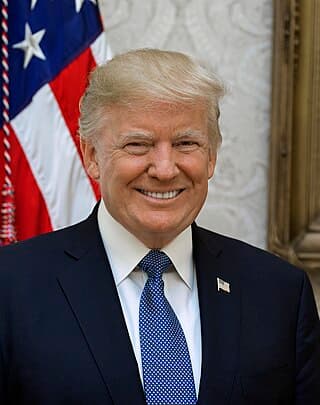
Portrait: Official White House photo by Shealah Craighead (2017), public domain via Wikimedia Commons.
What they said. What actually happened. Side by side.
What this is
A public ledger of what powerful people publicly promised — and what actually happened.
Every record is sourced, dated, and compared against reality as new evidence arrives. In Phase 2 (Q3 2026) every record will be anchored to win.win, a decentralized public network, so it can’t be deleted or quietly edited. The cards below are sample entries.Read more about the product →
What they said
Gated
Ten seconds. WhatsApp, Telegram, or SMS. No signup.
Outcome
Portrait: Official White House photo by Shealah Craighead (2017), public domain via Wikimedia Commons.
Sample record — the ledger does not have a side
What they said
Gated
Ten seconds. WhatsApp, Telegram, or SMS. No signup.
Outcome
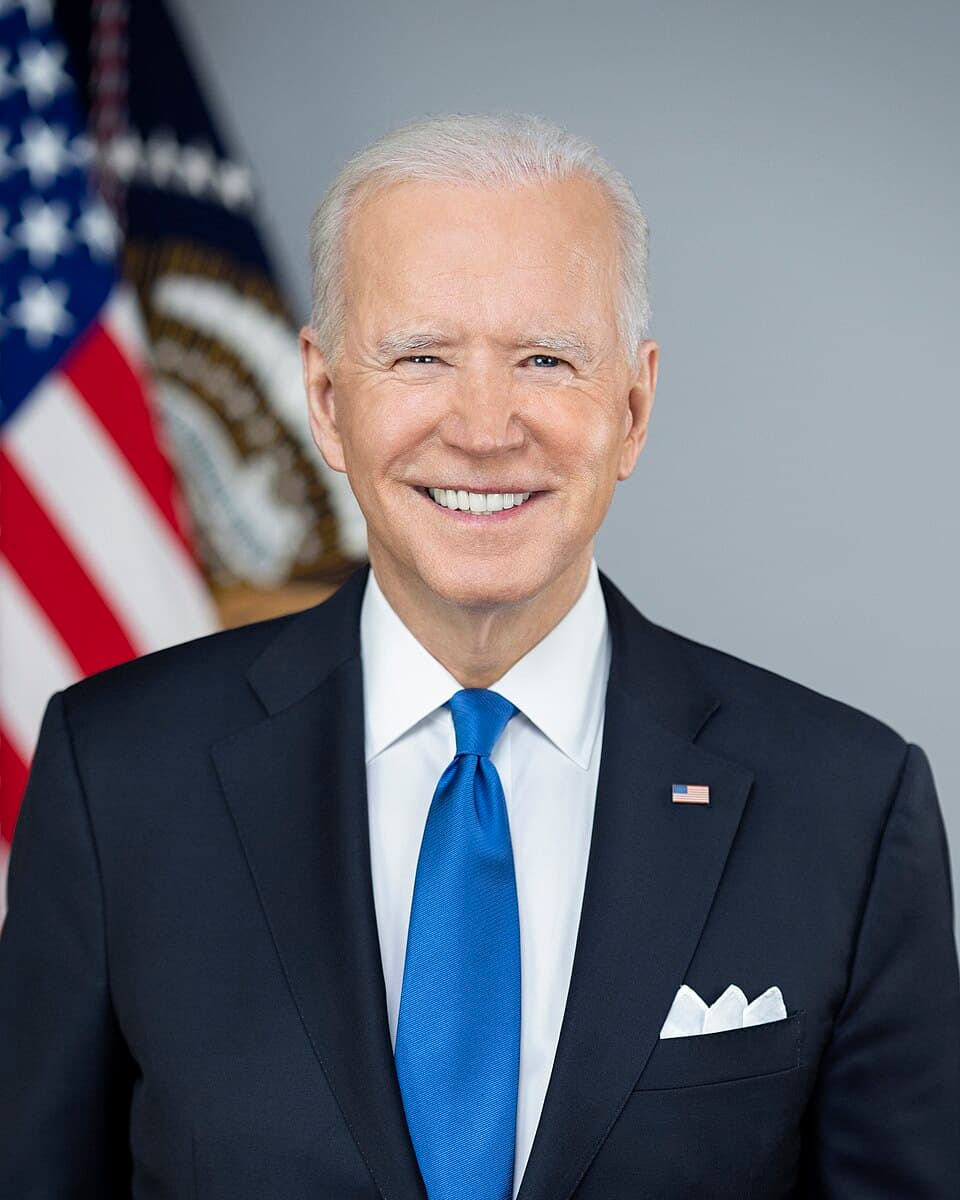
Portrait: Official White House photo by Adam Schultz (2021), public domain via Wikimedia Commons.
The ledger applies the same capture pattern to every figure. Entry rendering is identical regardless of party, office, or posture — which is the point.
From the ledger
Every entry renders the same way: what they said, what actually happened, sourced and dated. Some are resolved. Some are on the record and updating as new evidence arrives. The shape does not change.
What they said
Gated
Ten seconds. WhatsApp, Telegram, or SMS. No signup.
Outcome
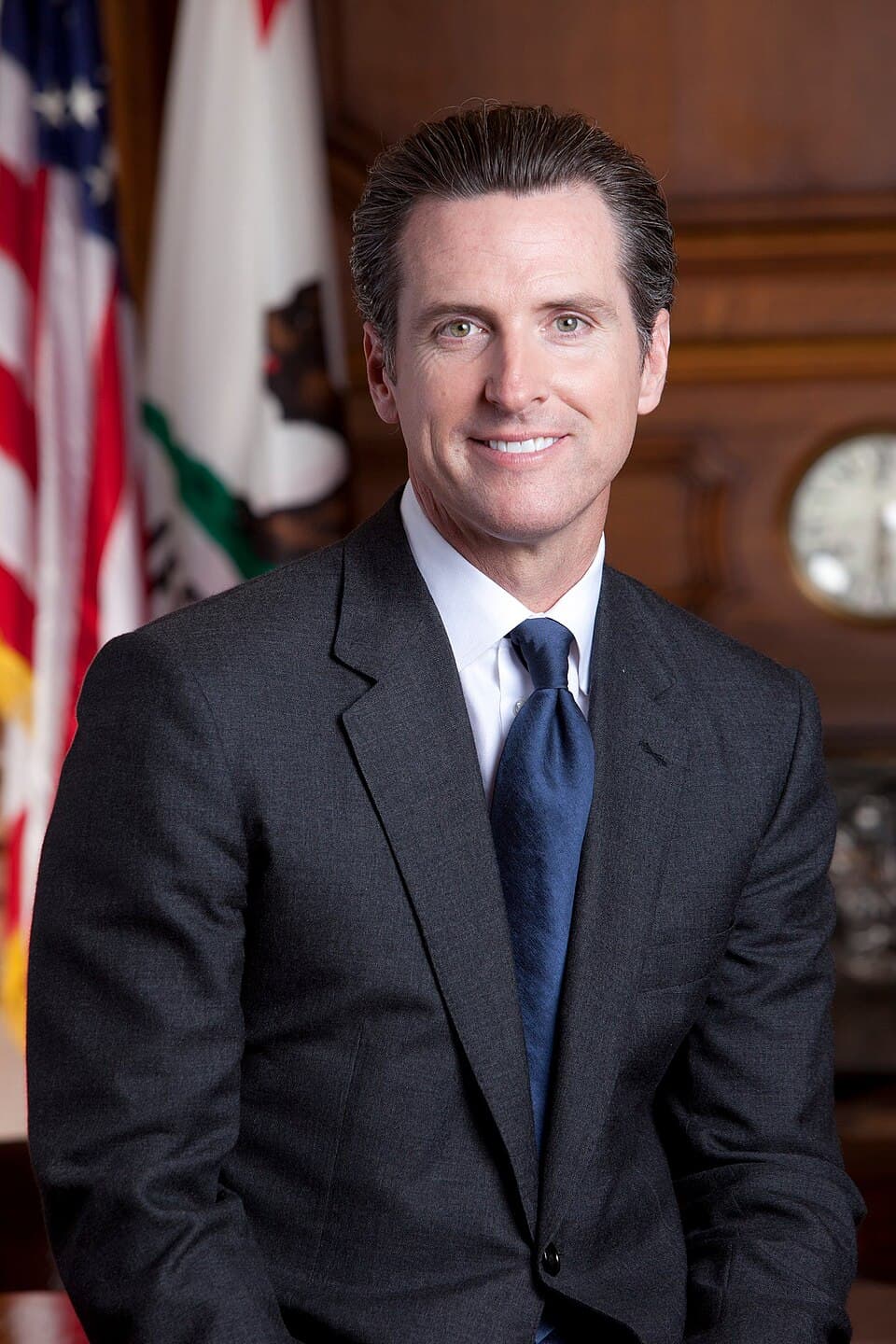
Portrait: Official Gavin Newsom gubernatorial photo, public domain via Wikimedia Commons.
What they said
Gated
Ten seconds. WhatsApp, Telegram, or SMS. No signup.
Outcome
Portrait: Official White House photo by Shealah Craighead (2017), public domain via Wikimedia Commons.
What they said

Gated
Ten seconds. WhatsApp, Telegram, or SMS. No signup.
Outcome
Portrait: Elon Musk, Royal Society admissions day 2018. CC BY-SA 3.0 via Wikimedia Commons.
What they said

Gated
Ten seconds. WhatsApp, Telegram, or SMS. No signup.
Outcome
Portrait: Sam Bankman-Fried, CC BY 2.0 via Wikimedia Commons.
What they said

Gated
Ten seconds. WhatsApp, Telegram, or SMS. No signup.
Outcome
Portrait: Official White House Vice Presidential portrait (2026), public domain via Wikimedia Commons.
What they said

Gated
Ten seconds. WhatsApp, Telegram, or SMS. No signup.
Outcome
Portrait: Official White House photo (2021), public domain via Wikimedia Commons.
What they said
Gated
Ten seconds. WhatsApp, Telegram, or SMS. No signup.
Outcome
Portrait: Official White House photo by Shealah Craighead (2017), public domain via Wikimedia Commons.
Figures on the ledger
Figures are grouped by category. Each one has their own page with every commitment on record and running statistics. Rendering is identical across figures — same card, same capture pattern, same resolution discipline.
How it works
Every commitment on the ledger goes through the same five-step capture pattern. It is deliberately platform-agnostic: the mechanic works for a tweet, a quarterly earnings call, a campaign ad, a company blog post, or a regulatory filing. The same pattern, the same structure, the same resolution criteria — so every entry is comparable to every other.
A public figure makes a claim on a platform we monitor — a social post, a press appearance, a regulatory filing, a published letter. The source is named, dated, and attributed to a verified account or byline. We do not use leaks. We do not surface whispers.
The post or statement is captured in full — native chrome preserved, timestamp to the second, engagement metrics at capture time, permalink resolved. If the figure later deletes, edits, or walks back the statement, the ledger still holds the original as it appeared.
The captured artifact is parsed into a structured commitment: who said it, where, when, what they said, and what resolvable outcome it implies. This is the step that turns a quote into something comparable. Comparable things can be reviewed.
A hash of the artifact and its schema is written to win.win, the public network review.review will publish to. Once anchored, the record cannot be altered or quietly withdrawn — by us, by the subject, or by anyone else.
The record stays live. As independent outcome data arrives — audits, rulings, government reports, reputable publications — the commitment is compared against what has actually happened, and the status is updated on the ledger. Resolution is not a single moment; it is a continuously maintained view of the claim against reality, with every revision itself anchored and citeable.
Where this is going
The ledger starts narrow and widens on purpose. Two stages, stated up front so the scope is clear before you draw conclusions from the Phase 1 sample.
Phase 1 lands with roughly ten U.S. political figures across both parties. Capture runs per figure, per account: X, Truth Social, Instagram, press conferences, campaign and floor speeches, official filings. Same five-step pattern, same schema, same resolution discipline — applied to every record.
Phase 2 extends coverage one jurisdiction at a time — United Kingdom, then the larger EU member states. Scams (regulator-confirmed fraud) and public-company leadership follow. A German climate pledge will read the same on the ledger as a Florida tariff claim, and a founder’s earnings-call promise will read the same as either.
On win.win
review.review is the public accountability ledger. win.win is the decentralized public network it will publish to. In Phase 2 a hash of every record will be anchored there — so the claim and its citations will live on a network we did not build alone and do not solely operate.
When a public figure says something on the record, review.review captures the artifact. In Phase 2 a hash of that artifact will be written to win.win. From that point on, the record will be a public object: anchored, time-stamped, unalterable. Resolution is continuous — as independent outcome data arrives (audits, rulings, official data, reputable publications) the record is updated against reality, and every revision will itself be anchored.
Markets, prediction pools, analytics products, and reputation scores can be built on top of a public accountability ledger. Those are other people’s products. review.review does not run markets and does not issue or sell tokens.
On the public record
This is what blockchains are actually for. Not speculation. A public record that can’t be altered or deleted, that anyone can verify.
Phasing
We prefer honest phasing to a hero that looks live and hides its state. Here is what is designed today, what gets written to the ledger next, and what comes after that.
The mechanic is demonstrated end-to-end: hero card, partisan-balance card, capture pattern, and disclosed relationship to win.win — the public network we will publish to. Placeholder commitments; no backend; phasing stated up top.
Records begin publishing to win.win — the public network we use as the substrate for the accountability ledger. More public figures across politics, scams, and public-company leadership. Every record is kept live: as independent outcome data arrives, the status is updated against reality. TWINS are consumed to write each record to the public network; they are a gas-equivalent utility, nothing more.
A structured source layer other tools can draw from — fact-checkers, journalists, academics, researchers. Multi-language coverage for figures whose public statements are not in English. The ledger remains the same shape; the reach gets wider. What other people choose to build on top of the public record is their business, not ours.
The ledger
Every entry on review.review renders the way the hero card above does. Sources attached, status recorded, anchor hash visible. Designed for the reader who wants to look things up, not be told.
Phase 1 — verify once to read every entry. Ten seconds via WhatsApp, Telegram, or SMS. No signup. The live feed opens in Phase 2.